Views: 222 Author: Tina Publish Time: 2025-03-11 Origin: Site
Content Menu
● Introduction to OLED Screens
>> Why OLED Screens Need Special Care
● Steps to Clean Fingerprints Off OLED TV Screens
>> Step 1: Gather Cleaning Supplies
● Additional Tips for Cleaning OLED Screens
● Advanced Cleaning Techniques
● Preventing Fingerprints and Dust
● Maintenance and Regular Cleaning
● Troubleshooting Common Issues
>> 1. What is the Best Cleaning Solution for OLED Screens?
>> 2. Can I Use Glass Cleaners on OLED Screens?
>> 3. How Often Should I Clean My OLED TV Screen?
>> 4. Are Microfiber Cloths Safe for OLED Screens?
>> 5. Can I Use Wet Wipes Designed for Electronics on OLED Screens?
Cleaning fingerprints off an OLED TV screen requires care and attention to detail to avoid damaging the screen. OLED screens are known for their vibrant colors and high contrast, but they can be delicate when it comes to cleaning. Here's a comprehensive guide on how to clean fingerprints off your OLED TV screen safely and effectively.

OLED (Organic Light-Emitting Diode) screens are popular for their excellent picture quality. However, they are more sensitive than other types of screens, such as LCD or LED, and require specialized cleaning methods.
- Sensitive Coatings: OLED screens often have anti-glare coatings that can be damaged by harsh chemicals or abrasive materials.
- Risk of Damage: Using the wrong cleaning products or methods can lead to scratches, discoloration, or even permanent damage to the screen.
To clean your OLED TV screen, you will need:
- Microfiber Cloths: These are soft and lint-free, making them ideal for cleaning delicate surfaces.
- Distilled Water: Avoid using tap water, as it may contain minerals that could leave streaks or residue on the screen.
- Optional: White Vinegar Solution: A mixture of equal parts white vinegar and distilled water can help remove stubborn smudges.
Before cleaning, ensure your TV is unplugged to prevent any accidental electrical shocks.
Use a dry microfiber cloth to gently wipe away any loose dust or debris. This step helps prevent scratches when cleaning with a damp cloth.
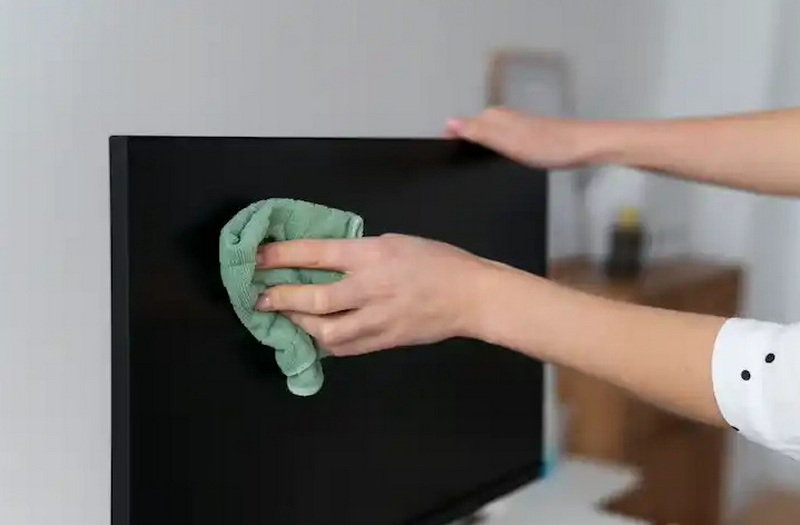
Dampen a microfiber cloth with distilled water. Make sure the cloth is not soaking wet, as excess moisture can damage the screen. Gently wipe the screen in straight motions (up and down or side to side) to avoid leaving streaks or swirl marks.
After cleaning, use a dry microfiber cloth to remove any remaining moisture from the screen. This step is crucial to prevent water spots or damage.
- Avoid Chemicals: Never use window cleaners, soap, or other harsh chemicals, as they can damage the screen's coatings.
- No Abrasives: Avoid using paper towels, abrasive pads, or any materials that could scratch the screen.
- Prevent Touching: Try to avoid touching the screen to minimize fingerprints.
- Using Harsh Chemicals: Avoid using alcohol, ammonia, or other solvents that can strip the screen's protective coatings.
- Applying Too Much Pressure: Be gentle when wiping the screen to prevent scratches.
For more stubborn stains or smudges, you can use a mixture of equal parts white vinegar and distilled water. Dampen a microfiber cloth with this solution, but ensure it's not soaking wet. Gently wipe the screen as described earlier. This method is effective for removing grease or stubborn fingerprints.
To keep your OLED screen clean for longer, consider using a screen protector designed for OLED TVs. These protectors can help reduce fingerprints and dust accumulation. Additionally, placing your TV in a dust-free environment or using a dust cover when not in use can help minimize cleaning needs.
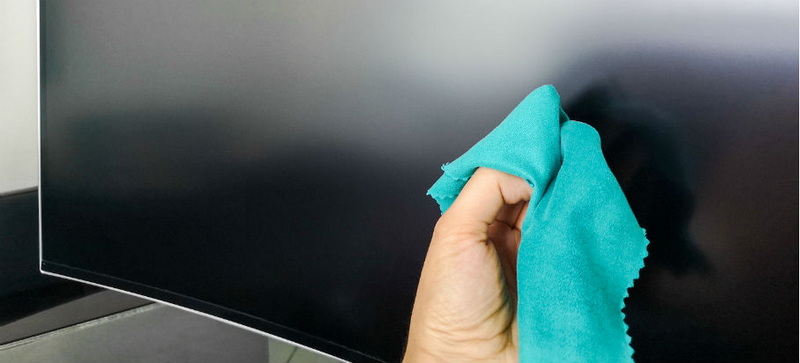
Regular cleaning is essential to maintain the clarity and longevity of your OLED TV screen. It's recommended to clean your screen every week or whenever you notice dust or fingerprints accumulating. Regular cleaning also helps prevent dirt from building up and becoming more difficult to remove.
If you notice streaks or residue after cleaning, it may be due to using too much water or not drying the screen properly. In such cases, use a dry microfiber cloth to wipe the screen again. If streaks persist, try using a slightly damp cloth with distilled water and then drying it thoroughly.
Cleaning fingerprints off an OLED TV screen requires careful attention to avoid damaging the delicate coatings. By using distilled water, microfiber cloths, and gentle cleaning techniques, you can keep your OLED screen looking its best. Always avoid harsh chemicals and abrasive materials, and ensure the screen is completely dry before turning on your TV.
The best cleaning solution for OLED screens is distilled water. If needed, a mixture of equal parts white vinegar and distilled water can be used for stubborn smudges.
No, glass cleaners should not be used on OLED screens. They often contain harsh chemicals like ammonia or alcohol that can damage the screen's coatings.
It's recommended to clean your OLED TV screen every week or whenever you notice dust or fingerprints accumulating.
Yes, microfiber cloths are safe and recommended for cleaning OLED screens. They are soft and lint-free, reducing the risk of scratches.
While some wet wipes are designed for electronics, it's generally safer to stick with distilled water and microfiber cloths to avoid any potential damage from unknown chemicals.
This comprehensive article answers the question "Can I Upgrade My E-Bike LCD Display Easily?" by exploring display types, compatibility, practical upgrade steps, troubleshooting, and maintenance tips. Boost your riding experience and get the most from your LCD display e-bike with the best current advice, illustrations, and video guidance.
This comprehensive guide explores the troubleshooting and repair of backpack LCD display issues, covering blank screens, flickers, garbled text, address conflicts, and more. It offers stepwise solutions and practical videos to help users swiftly restore functionality in their hardware projects.
Discover why the Sharp memory LCD display outperforms traditional LCDs with lower power use, unmatched sunlight readability, robust reliability, and a straightforward interface. Learn about its technology, applications, pros and cons, integration tips, and get answers to common engineering questions.
OLED displays, though admired for their visuals, may cause digital eye strain or "OLED screen eye tire" during extended use because of blue light, potential PWM flicker, and intense color/contrast. By using optimal settings and healthy habits, users can safely enjoy OLED with minimal discomfort.
Does displaying a white screen on an LG OLED TV fix persistent burn-in? The answer is no: true burn-in results from irreversible pixel wear and chemical aging. The best practice is to use preventive features, moderate settings, and varied content to safeguard screen health. For severe cases, panel replacement is the only cure.
An in-depth guide to the LCD display bezel: its definition, history, materials, structure, and growing role in display design. Explores bezel importance, types, aesthetic trends, maintenance, and innovation, offering expert insights—including an expanded FAQ and practical visuals—to help users understand its unique place in technology.
This article provides a complete, practical guide to diagnosing and fixing non-responsive SPI LCD displays using methods including hardware validation, logic level correction, library configuration, and advanced diagnostic tools. Perfect for hobbyists and engineers alike.
LCD display liquid coolers deliver top-tier performance with visually stunning customizable LCD panels that display system data and artwork. They suit enthusiasts and streamers aiming for unique builds but may be unnecessary for budget or basic systems. The price premium is justified by advanced hardware, software, and customization features.
Black bars on an OLED screen do not cause burn-in as those pixels are switched off. Only with excessive, repetitive content does minor uneven aging become possible. Varying viewing habits and enabling panel maintenance prevents problems in daily use.
OLED TVs provide spectacular picture quality but rely heavily on the quality of the video input. Most cable broadcasts are limited to lower resolutions and compressed formats, so an OLED screen connected to a regular cable box will look better than older TVs but may not realize its full potential. Upgrading cable boxes and utilizing streaming services can unlock the best OLED experience.
OLED screen burn-in remains one of the key challenges inherent in this display technology. While no universal fix exists for permanent burn-in, a blend of app-based tools, manufacturer features, and maintenance practices can help reduce appearance and delay onset. Proper prevention strategies and use of built-in pixel shift and refresher tools offer the best chances of avoiding this issue.
This article comprehensively explores will OLED screen burn in over time by explaining the science of OLED displays, causes and types of burn in, manufacturer solutions, prevention tips, and real-world user experiences. Burn in risk does exist, but modern panels and user habits greatly reduce its likelihood, making OLED an excellent and long-lasting display choice.
This article provides an in-depth guide to selecting the best LCD display driver IC for various applications, covering driver types, key features, leading manufacturers, integration tips, and practical examples. It includes diagrams and videos to help engineers and hobbyists make informed decisions about LCD display driver selection.
Dead pixels are a common type of LCD display defect, caused by manufacturing faults, physical damage, or environmental factors. While stuck pixels may be fixable, dead pixels are usually permanent. Proper care and understanding can help prevent and address these issues.
This comprehensive guide explains every symbol and function found on e-bike LCD displays, using clear explanations and practical tips. Learn to interpret battery, speed, PAS, error codes, and customize settings using your e-bike LCD display manual for a safer, smarter ride.
This comprehensive guide explains how to set an LCD display clock, covering everything from hardware setup and wiring to coding, troubleshooting, and creative customization. With detailed instructions and practical tips, you'll learn to confidently build and personalize your own LCD display clock for any setting.
This article explores whether OLED laptop screens are prone to burn-in, examining the science, real-world evidence, prevention methods, and lifespan. It provides practical advice and answers common questions to help users make informed decisions about OLED technology.
Displaying a black screen on an OLED TV will not cause burn-in, as the pixels are turned off and not subject to wear. Burn-in is caused by static, bright images over time. With proper care and built-in features, OLED TVs are reliable and offer exceptional picture quality.
This article explores the causes of OLED screen burn-in, the science behind it, and effective prevention strategies. It covers signs, effects, and potential fixes, with practical tips to prolong your OLED display's lifespan and answers to common questions about burn-in.
OLED screens deliver unmatched image quality, with perfect blacks, vivid colors, and ultra-fast response times. Despite higher costs and some risk of burn-in, their advantages make them the top choice for premium displays in TVs, smartphones, and monitors.